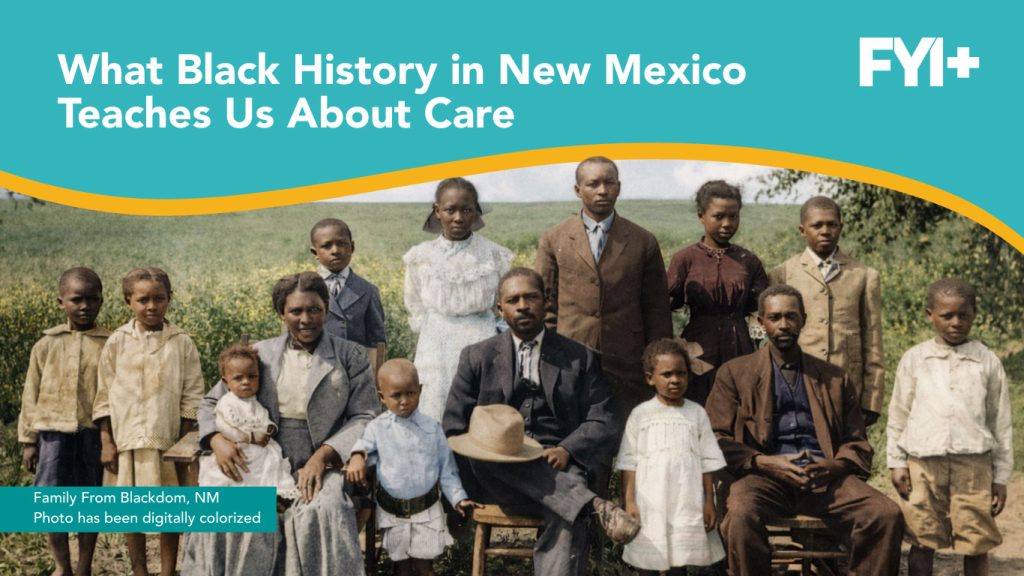
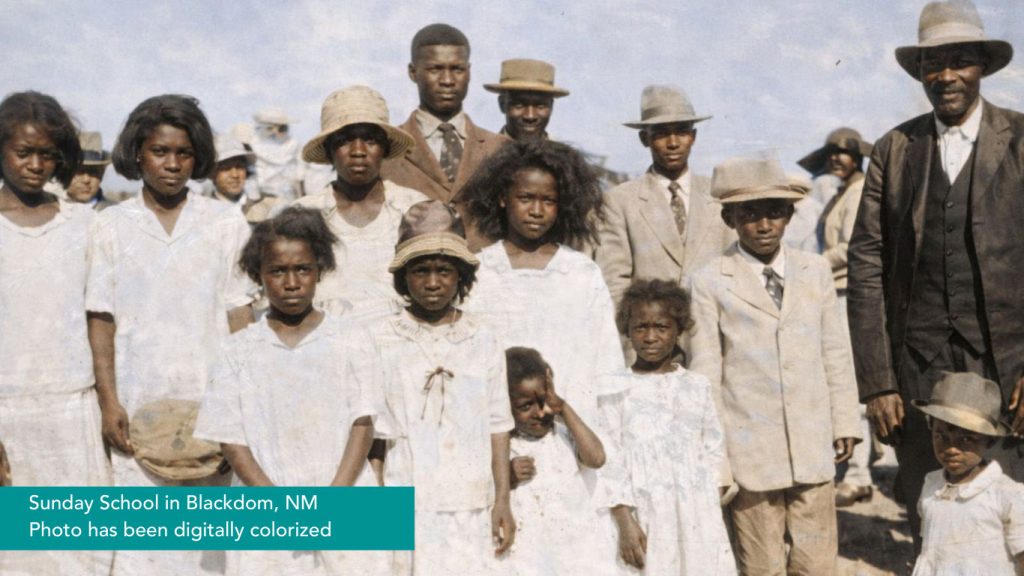
The journey of Black History in New Mexico begins with expeditions of land, resources, and culture to create a better life for the Black Community. In the early 1900s, Black families built a town in New Mexico called Blackdom. From their own hands, they built schools, businesses, a thriving town square and even a post office.
What brought these families to New Mexico? To escape the Jim Crow laws of the states that they came from, it also provided safe economic opportunities through agriculture. Now their story is a hidden gem of our history that needs to be told and taught in our community. The community was the first solely African American community in the New Mexico Territory. Juneteenth celebrations in the community were well-known, and many white ranchers were invited to the community for a large festival and baseball game. Black History Month invites us to remember stories like this not just as moments in the past, but as lessons that still shape how care, access, and belonging work today.
When Systems Do Not Show Up, Community Does
For generations, Black communities have relied on mutual aid, shared responsibility, and collective care to survive exclusion from housing, healthcare, education, and social services. These practices were not informal by choice. They were necessary.
That history lives here in New Mexico.
Long before statehood, Estebanico, an Afro Muslim Moroccan explorer, traveled through what is now the Southwest. His survival depended on adaptability, relationship-building, and cultural knowledge. Despite this, his story was largely erased, reflecting how Black contributions are often foundational, yet unprotected within systems.
Later, Black Buffalo Soldiers stationed near Fort Selden helped build infrastructure across the region, only to return to a society that denied them access to housing, healthcare, and opportunity.
Still, Black communities persisted.
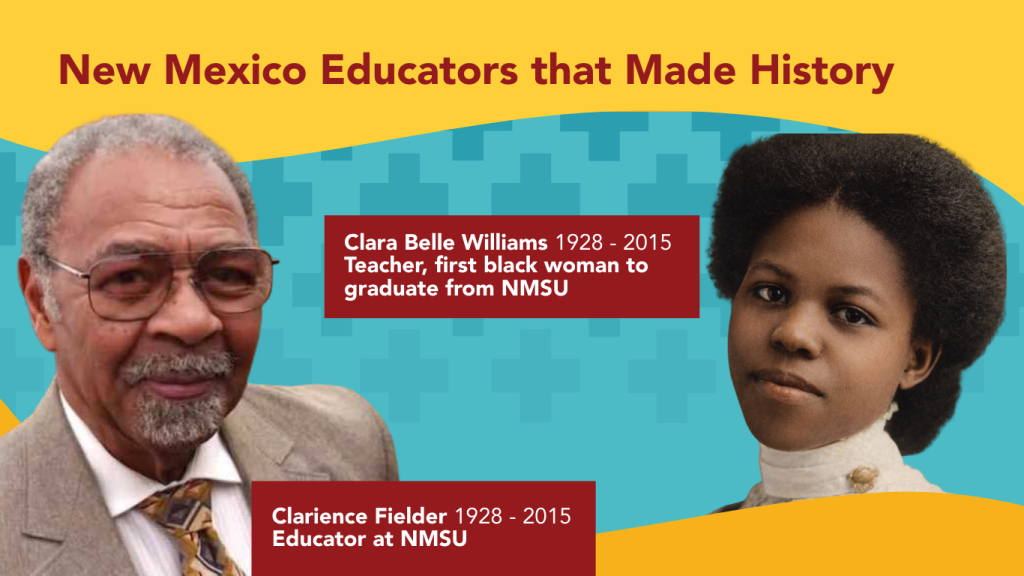
Educators like Clara Belle Williams, the first Black woman to graduate from New Mexico State University, and community leaders like Clarence Fielder, worked to ensure Black history, leadership, and care were not erased from the places they helped shape.
Why Equity Still Matters Today
Today’s systems may look different, but many challenges remain familiar.
People still face fragmented services, support that only becomes available after a crisis, and barriers that require proof of struggle before help is offered. When systems are built without equity, people are forced to navigate complexity alone. History shows us the cost of that approach and why a different way is needed.
What Equity Looks Like at FYI Plus
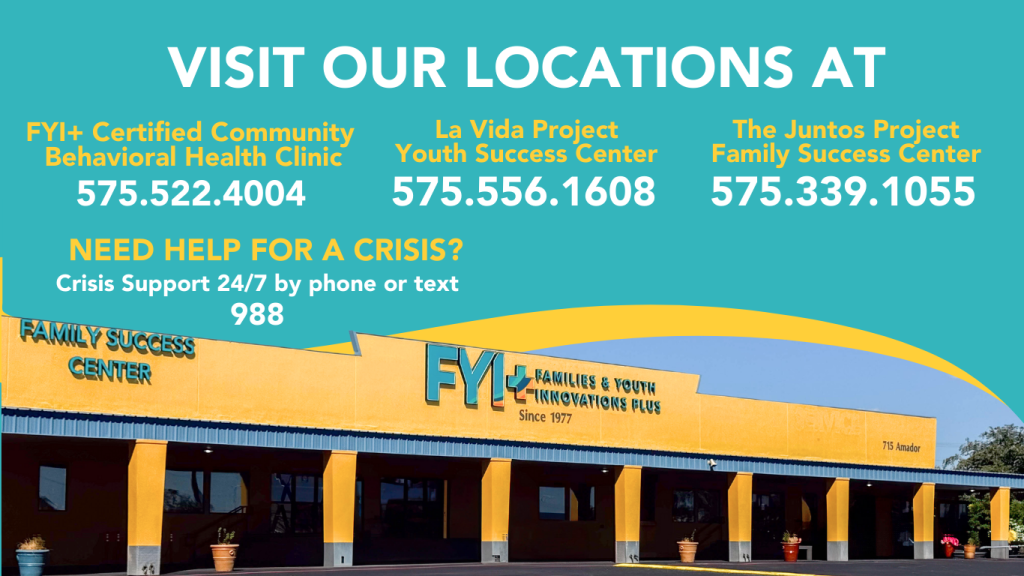
At Families & Youth Innovations Plus (FYI+), we organize our work around a Continuum of Care made up of Resources, Supports, and Services. Care does not happen all at once. It happens in stages, relationships, and moments of trust.
Resources
FYI+ provides helpful Resources like basic essentials, recreation, belonging, learning and more through The Juntos Project Family Success Center and La Vida Project Youth Success Center. We offer food, clothing, hygiene items, referrals, and safe spaces for connection without judgment or conditions. Our Success Centers reflect long-standing traditions of providing person-centered and dignity-based care.
Supports
FYI+ offers formal, short-term therapeutic prevention & intervention programs with the goal of empowering and equipping individuals for success in daily living. The community can access our Supports through our Success Centers including transitional living programs for youth; community-based programs for families; school-based success coaching; and skill-building programs for youth and families.
Services
When formal Clinical Services are needed, they should be accessible, affirming, and trauma-informed. Through our Certified Community Behavioral Health Clinic (CCBHC), participants of all ages can access care, regardless of their insurance or ability to pay. FYI+ provides outpatient therapy for mental health & substance use, Wraparound, Comprehensive Community Support Services (CCSS), Targeted Case Management, and a Mobile Crisis Team that is available by calling or texting 988.
Building What Should Have Always Existed
Black History Month is not only about remembering the past. It is about understanding what history asks of us now. The stories of Blackdom and Black leaders in New Mexico remind us that communities have always known how to care for one another. The work before us is to build systems that finally reflect that wisdom.
At FYI plus, we believe equity is not optional. It is the foundation of care that works.
More Articles to read:
Blackdom: Learn about New Mexico’s first Black community
Welcome to Blackdom: The Ghost Town That Was New Mexico’s First Black Settlement
Blackdom, New Mexico is Founded